







TIPS ON ITALY by Tonya Clement
Add Italy's Small Towns to Your Itinerary
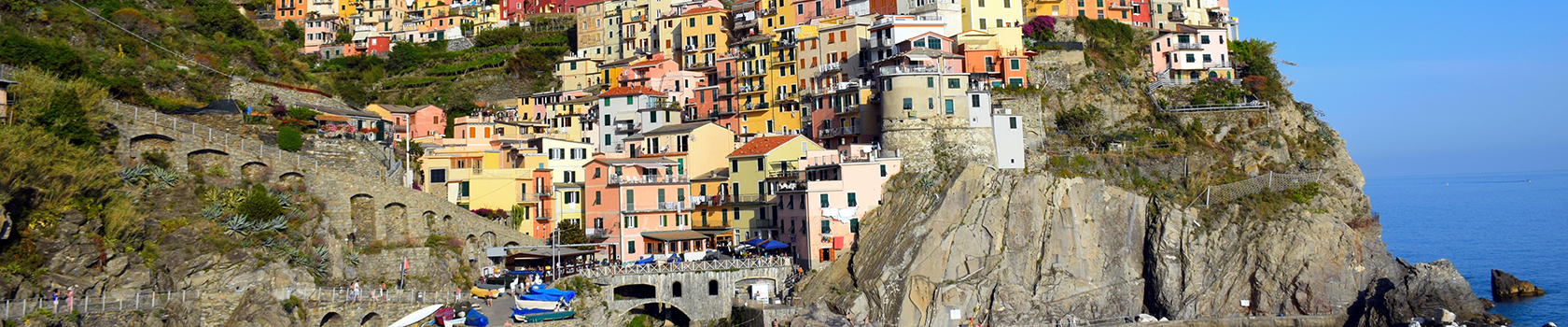
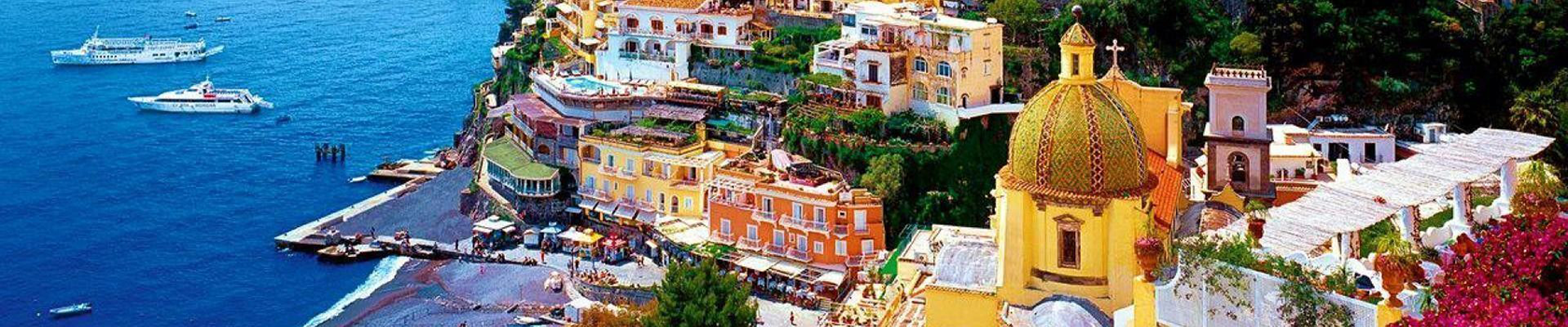
When planning a trip to Italy, most travelers set their sights on the big names: Rome, Florence, Venice, and Milan. And while these cities are rich in history, art, and architecture, there's an entirely different side of Italy that many miss—the small towns. Scattered across rolling hills, coastal cliffs, and hidden valleys, Italy's borghi (villages) offer a more intimate, authentic experience that captures the heart of the country in a way that busy tourist hubs simply can't.
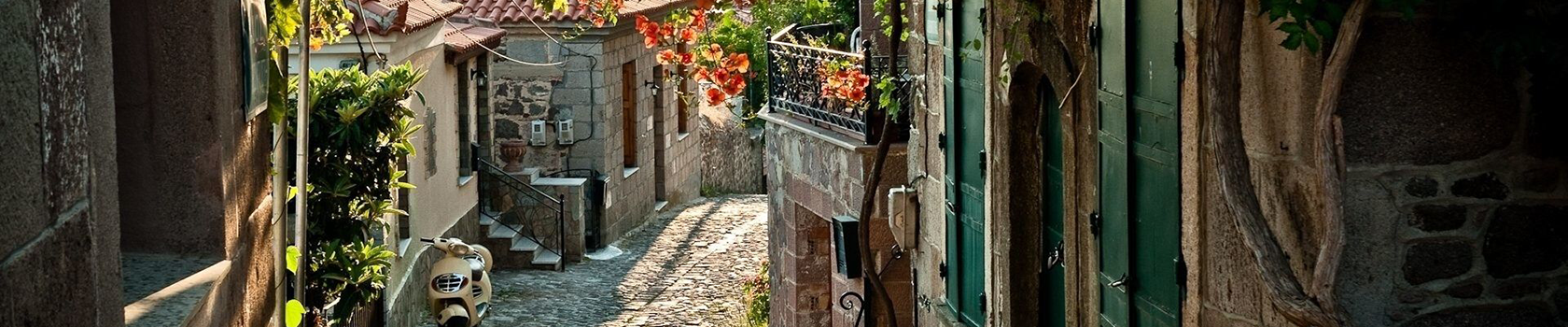
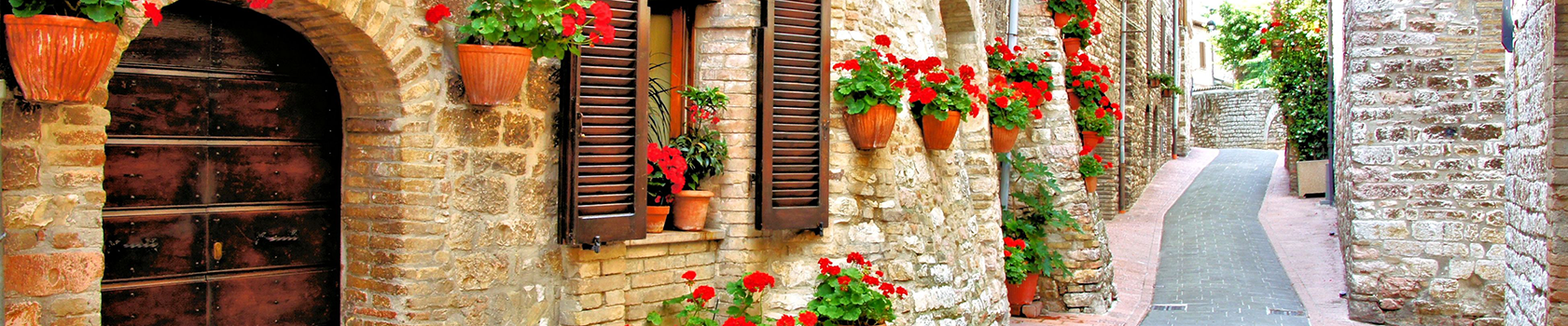
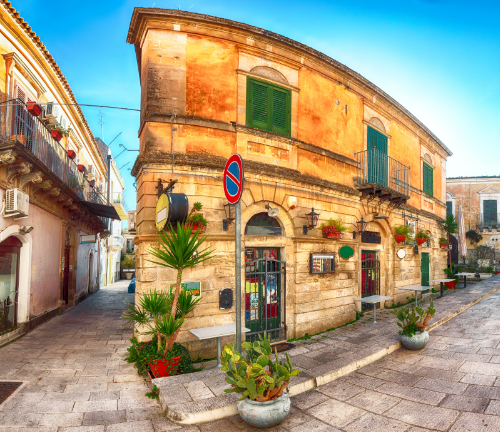 These towns may be small in size, but they’re big on character. Picture cobblestone alleys lined with flower boxes, locals chatting over espresso in the piazza, and trattorias where nonna is still in the kitchen stirring the sauce. In towns like Orvieto in Umbria, Montepulciano in Tuscany, or Polignano a Mare in Puglia, time seems to slow down. You’re invited to savor life—literally and figuratively—with long lunches, leisurely walks, and spontaneous moments of wonder.
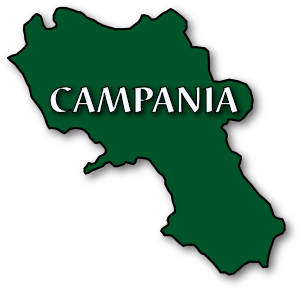 Getting to Know Campania, Italy
 Getting to Know Friuli Venezia Giulia, Italy
 We know the best way to learn Italian is to immerse ourselves but that is easier said than done as we can’t just move to Italy for a month or two. I have been struggling with how to become more comfortable with learning and speaking Italian while living in the US. After five years, I think I have figured out a few ideas that will keep us all challenged and provide a few methods to the madness. It goes without saying that the key is to spend time every day learning and practicing.
 Getting to Know Emilia-Romagna, Italy
 How Italians Really Eat Pizza
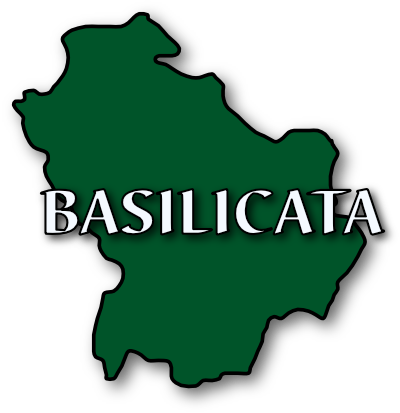 Getting to know Basilicata, Italy
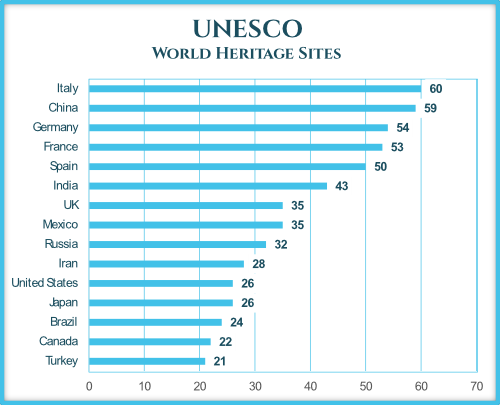 UNESCO World Heritage Sites are places of outstanding cultural, historical, scientific, or natural significance that are recognized and protected by the United Nations Educational, Scientific and Cultural Organization. These sites are considered to be of value to all humanity, and their preservation ensures that future generations can experience and learn from them. The World Heritage designation not only brings international recognition, but also helps safeguard these treasures through global cooperation, funding, and education.